

Simple Office Cleaning Solutions

Caregiving Discussion
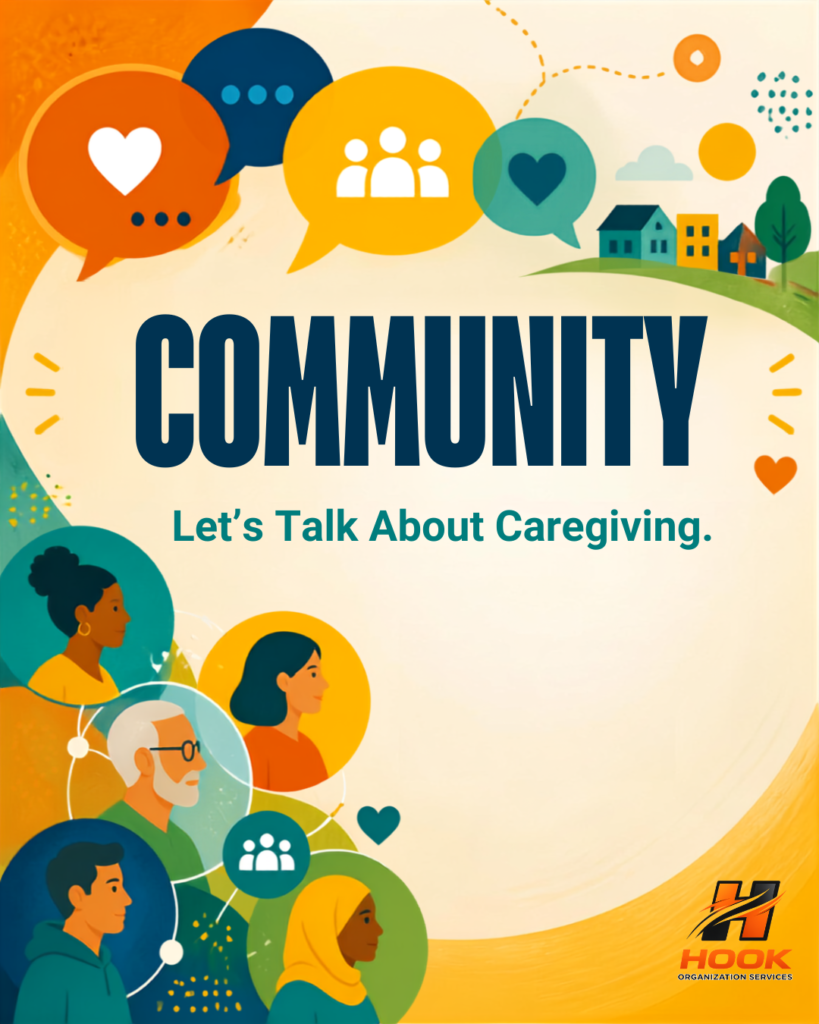
Caregiving affects entire families, but many people don’t begin talking about it until a crisis happens. I offer community-centered discussions designed to help families think ahead about aging parents, changing caregiving roles, home organization, emergency preparedness, important documents, and preparing for future needs.
These aren’t lectures. They are practical conversations that give people space to ask questions, reflect on their own situations, and identify steps they can begin taking.
Community councils, neighborhood associations, libraries, faith communities, caregiver groups, senior organizations, and other community-based organizations are welcome to reach out.
Looking for a meaningful discussion for your group? Contact Hook Organization Services to discuss bringing a community caregiving conversation to your organization.
Planning Ahead: Why Emergency Planning Matters for Families, Caregivers, and Professionals
When people think about emergency planning, they often think about hurricanes or major natural disasters. But emergencies can happen at any time. A house fire, power outage, sudden hospitalization, allergic reaction, or medical emergency can quickly turn daily life upside down especially for families caring for children or loved ones with disabilities or chronic medical conditions.
As a parent who raised a child with autism, asthma, chronic allergies, and scoliosis, I understand how quickly stress and fear can take over when there is no plan in place. As a social work professional and advocate, I also know many caregivers are already overwhelmed. The goal of emergency planning is not to create fear but to create peace of mind.
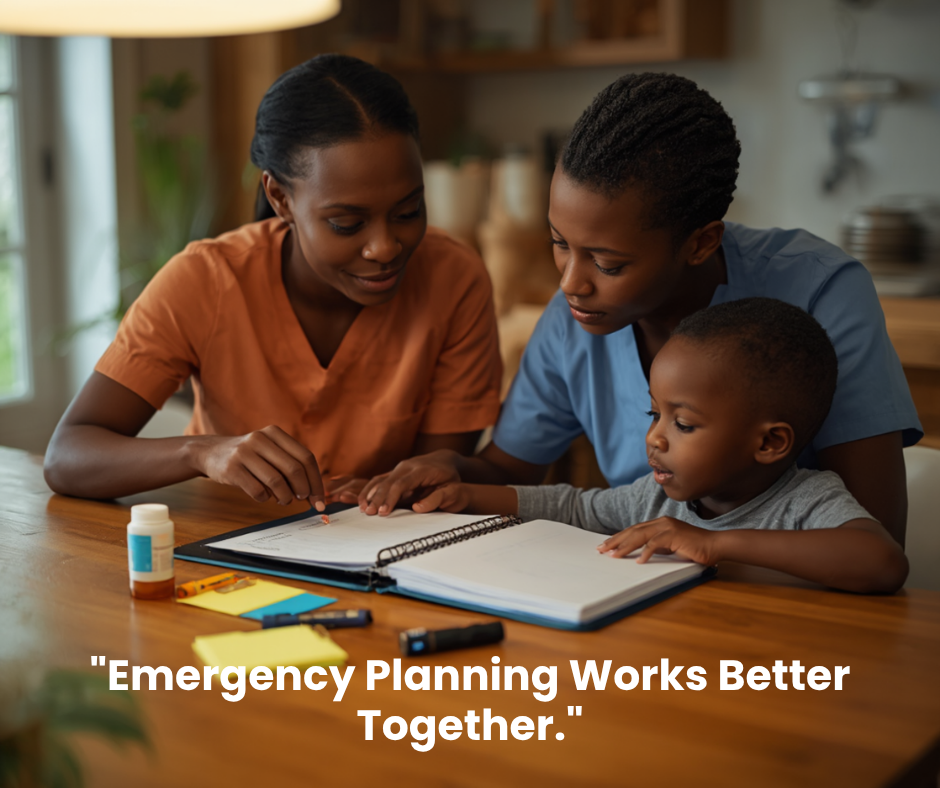
One simple tool that can make a big difference is a grab-and-go emergency binder. This binder can include important medical information, medications, allergies, emergency contacts, communication needs, and routines that others may need to know during an emergency. Having information in one place can help caregivers feel more prepared and help emergency responders, schools, healthcare providers, or family members provide better support if needed.
Emergency planning can also happen through simple conversations and practice at home:
- Does your family have a fire escape plan?
- Where is your outside meeting location?
- If you live in a two-story home, how would you safely exit from upstairs?
- Does someone else know your child’s medical or sensory needs if you are unavailable?
These questions may seem small, but they can reduce confusion and stress during difficult moments.
Professionals and organizations also have an important role to play. Emergency planning should not fall only on caregivers. Schools, medical offices, social workers, case managers, and community organizations can begin asking supportive questions during intake, appointments, and follow-up conversations. They can share resources, offer planning checklists, and help families think through what safety and preparedness may look like for their unique situation.
Partnerships matter. When caregivers feel supported instead of judged, planning becomes easier and more realistic.
Emergency preparedness is not about being perfect. It is about taking one small step at a time to protect the people we love.
If your organization, support group, school, or community program would like a presentation or discussion about emergency planning, caregiver support, or creating a grab-and-go emergency binder, I would love to connect with you. I also offer support for families and caregivers who want assistance creating personalized emergency plans and organizing important information for times of crisis or transition.
Together, we can create plans that reduce stress, improve safety, and help families feel more prepared for whatever life may bring.
Organizing Support for the Sandwich Generation

Organizing Support for the Sandwich Generation
Many of us as adults never expect to become caregivers for our aging parents, especially while still raising children, managing careers, and maintaining households of our own. Yet for the Sandwich Generation, this balancing act has become an everyday reality. When a parent’s health, mobility, or memory begins to change, the emotional and logistical demands can feel overwhelming almost overnight.
Caregiving transitions often bring more than new responsibilities. They bring paperwork, medical supplies, safety concerns, and difficult decisions about whether a loved one can remain in their home or needs to move in with family. As these changes happen, clutter and disorganization can quickly add to the stress, making it harder to focus, plan, and breathe.
Home organization during caregiving is not about perfection; it’s about support. Creating clear pathways, organizing essential documents, and setting up functional living spaces can improve safety, reduce daily frustration, and provide peace of mind for both caregivers and their loved ones. For families helping aging parents remain at home, thoughtful organization can make aging in place safer and more manageable. For others preparing a space for a parent to move in, organizing can ease the emotional weight of this major life shift.
If you’re part of the Sandwich Generation, feeling overwhelmed does not mean you’re failing; it means you’re carrying a lot. Compassionate, judgment-free organizing support can help you navigate this new season with clarity and confidence.
Clear your space and your mind with organizing services designed to support caregiving transitions. If you’re ready to explore how organization can make this season feel more manageable, schedule a free consultation to take the first step forward.
(Image created utilizing Canva AI)

