
Emergency Preparedness
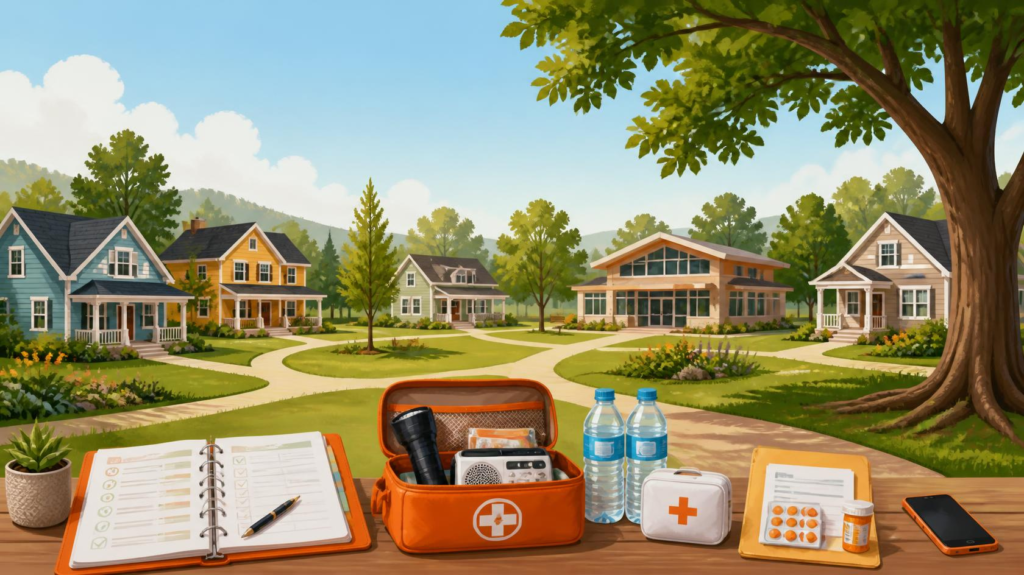
Preparedness Starts Before the Emergency
Emergencies can happen at any time, but being prepared can make a difference in how individuals, families, caregivers, and communities respond. At Hook Organization Services, emergency preparedness is approached as more than gathering supplies. It is about helping people think ahead, organize important information, identify their needs and support systems, and create practical plans they can use when everyday routines are disrupted.
Our approach brings together organization, social work, community education, and practical preparedness to help make planning more understandable and accessible.
People-Centered Emergency Preparedness
Not everyone prepares for an emergency in the same way. Older adults, caregivers, people with disabilities, individuals managing medications or chronic health needs, families with children, and households with limited resources may have additional considerations when preparing for emergencies.
Preparedness planning may include:
- Organizing emergency contacts and important information
- Medication and medical information planning
- Identifying support networks and emergency contacts
- Preparing for evacuation or sheltering in place
- Planning for caregiving responsibilities
- Considering disability, mobility, communication, and other access needs
- Organizing important documents
- Building practical household emergency plans
- Connecting individuals and families with community resources
The goal is not perfection. The goal is to help people become more informed, organized, and prepared before a crisis occurs.
Emergency Planning Binder
One tool used by Hook Organization Services is an Emergency Planning Binder designed to help individuals and families keep important information organized and easier to access during an emergency.
A binder can help bring together information such as emergency contacts, medications, healthcare information, important documents, household information, caregiving needs, evacuation information, and other details that may be difficult to locate quickly during a crisis.
The binder can be adapted to the needs of individuals, families, caregivers, and households.
Community Education, Training & Consultation
Emergency preparedness is also a community conversation.
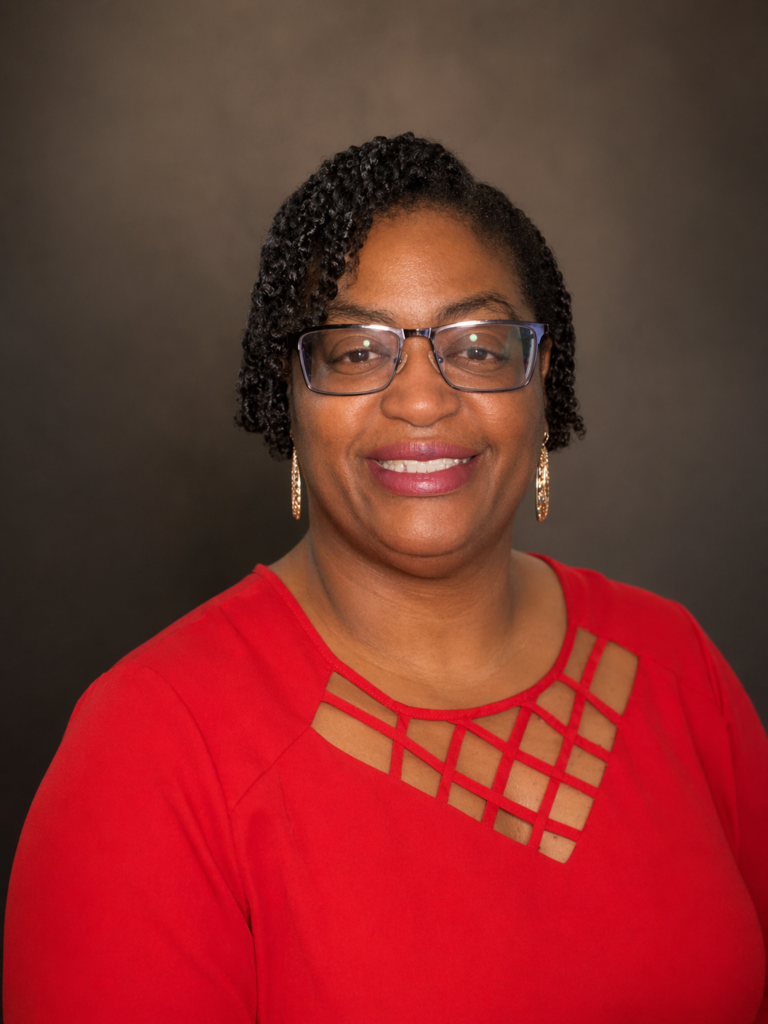
Shontae Hook, LBSW, provides presentations, workshops, and educational opportunities that explore emergency preparedness through a people-centered and community-based lens.
Training topics may include:
Presentations and workshops can be adapted for community groups, nonprofit organizations, social service professionals, caregivers, Community Health Workers, and other organizations interested in strengthening preparedness.
- Emergency preparedness for individuals and families
- Emergency preparedness for caregivers
- Organizing important information before an emergency
- Emergency planning for older adults and people with additional support needs
- Building an Emergency Planning Binder
- Emergency preparedness and social work practice
- The role of Community Health Workers in emergency preparedness and community resilience
- Strengthening community connections before a crisis occurs
Prepared Before the Crisis
Emergency preparedness does not begin when the warning is issued. It begins with conversations, relationships, information, and planning that happen long before an emergency.
Through education, organization, and community engagement, Hook Organization Services works to help individuals and communities take practical steps toward becoming better prepared.
Interested in a workshop, presentation, community conversation, or consultation?
Contact Hook Organization Services to discuss your organization or community’s needs.